

The First Year
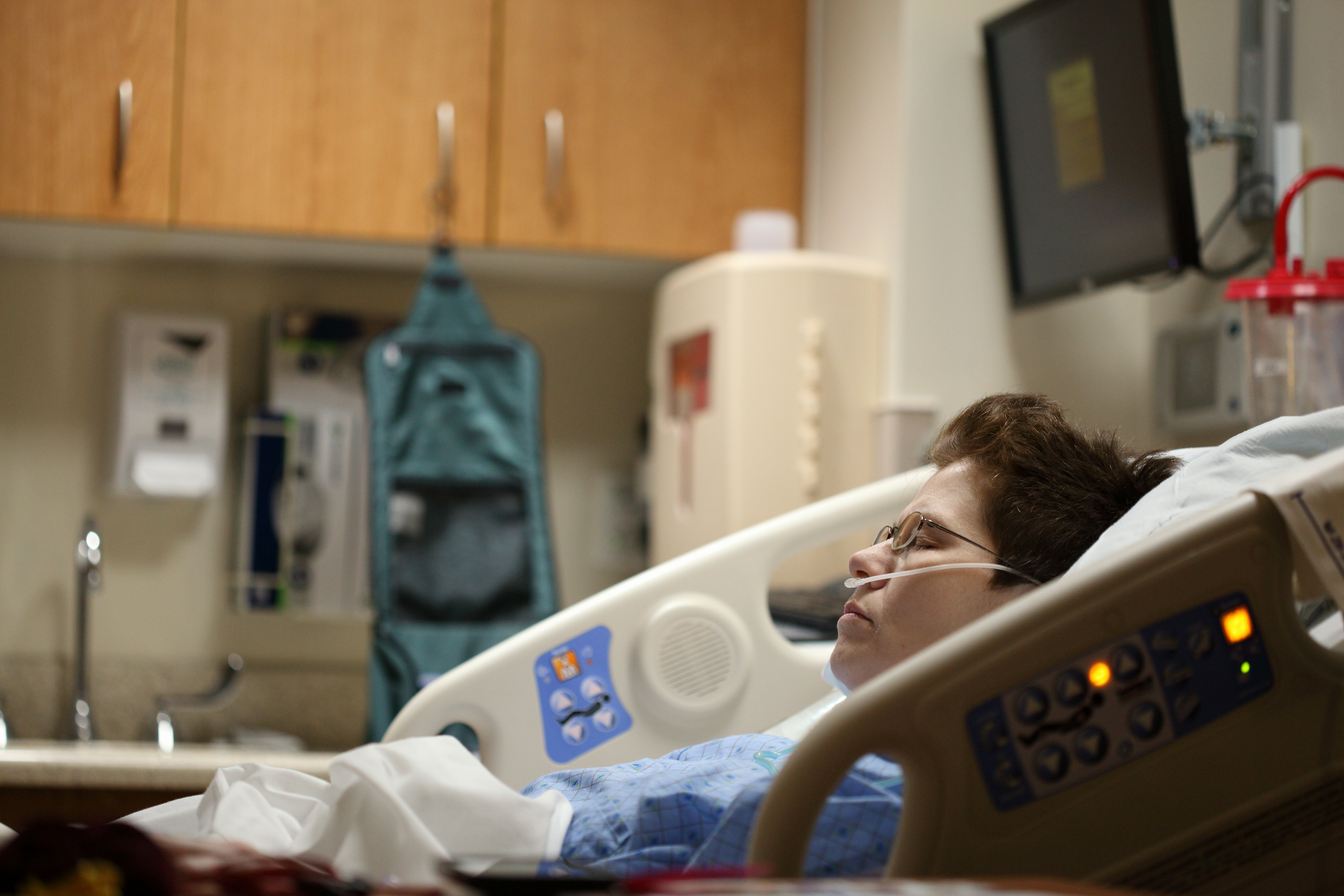
Going home
The discharge happens fast.
One moment you're in a hospital bed, every vital sign monitored, a nurse down the hall, your surgeon checking in. The next, you're standing in your kitchen with a plastic bag of pill bottles, a stack of paperwork, and a follow-up appointment in two weeks.
You're supposed to be celebrating. The transplant worked. But the reality feels different: overwhelming, isolating, precarious. The organ that just saved your life now depends entirely on you: on whether you take the right medications at the right times, interpret your own symptoms correctly, and somehow know when something is wrong enough to call.
The first year is the hardest
Your immune system is suppressed. Infections that wouldn't faze a healthy person can land you in the ICU. Rejection can begin silently, without obvious symptoms, and progress quickly if missed. The medication regimen is unforgiving: some drugs twice daily, some with food, some without, some that interact badly with grapefruit, and a long list of common medications (like ibuprofen) that transplant patients need to avoid entirely.
Coordinators do extraordinary work helping patients navigate this. But they're stretched thin, managing dozens of patients across every stage of the transplant journey, from initial evaluation through years of follow-up. They can't check in on everyone proactively. The system is built to respond when something goes wrong, not to prevent it from going wrong in the first place.
So patients fill the gaps themselves. They Google their symptoms at 2am. They guess whether a fever is worth a call. They miss doses because the instructions were confusing or the pharmacy was out of stock or life simply got in the way. They feel guilty about bothering their care team with questions that seem minor, until those minor questions become major problems.
This is the forgotten year. And the system isn't built to remember it.
This isn't a failure of any individual. It's a structural gap.
The transplant itself represents one of modern medicine's greatest achievements: decades of research, extraordinary surgical skill, the profound generosity of donors and their families. But the infrastructure for what comes after hasn't kept pace. Post-transplant care remains episodic when it should be continuous. Reactive when it should be proactive. Clinic-centered when patients live their recoveries at home.
The patients who do best aren't necessarily the most medically straightforward. They're the ones with strong support systems, high health literacy, and the confidence to advocate for themselves. Everyone else is left to navigate alone.
It doesn't have to work this way.
What we're building at Stitch
We're building what should exist between the discharge papers and the one-year mark: continuous support that catches problems before they escalate. AI that notices when refill patterns slip or symptoms cluster. Coordinators who spend their time on complex cases because the system handles the routine outreach.
No patient wondering at 2am whether they should call. No question too small to ask.
The transplant gets three hours in the OR and a lifetime of medical attention leading up to it. The year after gets a stack of paperwork and a "call if anything changes."
We're changing that.
---
The data backs this up.
Read the clinical evidence for post-transplant engagement →
The economics are staggering.
See the $2.5B readmission opportunity →




Get in Touch
©2026 Stitch Care, Inc. All rights reserved.