

The Transplant Patient Journey
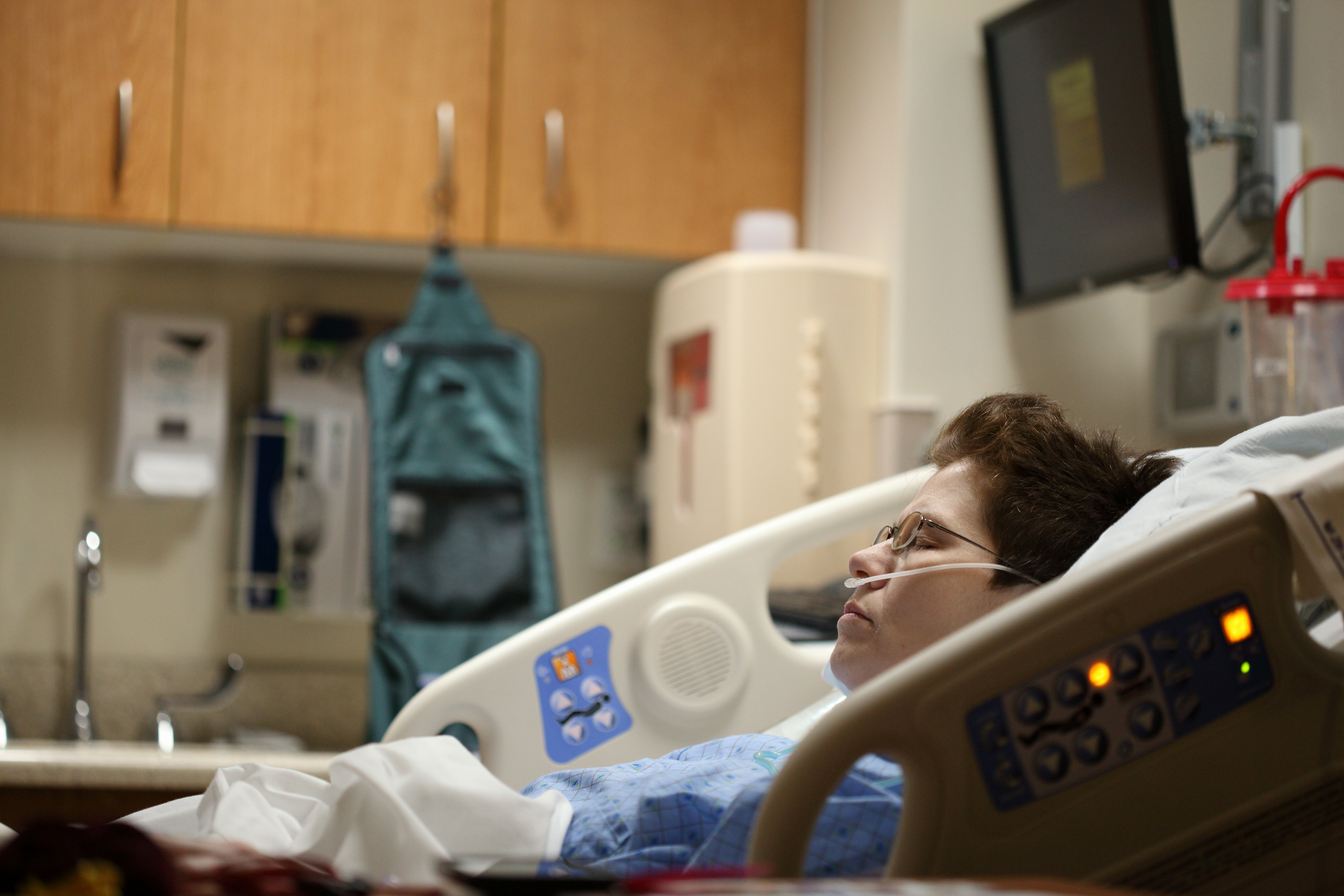
Inside the hospital, the transformation is immediate and stark. Transplant recipients receive world-class, multidisciplinary care: everything from hydration and medication to nutrition and wound healing is closely monitored. Coordinators and care teams, often stretched thin, do remarkable work supporting patients through this critical time. Many centers have robust outpatient follow-up programs and care coordinators to facilitate transition and safety. It’s important to recognize these efforts, they are the backbone of patient safety and recovery. Yet, as coordinators themselves acknowledge, the system is not perfect: staff are frequently overburdened, and despite best intentions, some patients do still fall through the cracks. Record-sharing between hospital and community providers remains inconsistent, and the “warm handoff” is often not fully realized in practice. Patients exit the hospital into an environment of new medications, restrictions, paperwork, and information overload that is difficult to navigate, especially under the stress of recovery.(1, 2, 3)
The first year after transplant is a minefield. This is the period of greatest vulnerability: the risks of rejection, infection, and adverse drug reactions are highest, and the regimen required for survival is both complex and unforgiving. Patients must juggle up to 20 medications, monitor symptoms with what is often little more than guesswork, and navigate a labyrinth of specialist visits, labs, and lifestyle changes. The United Network for Organ Sharing (UNOS) mandates at least two years of follow-up, but in practice, this care is predominantly reactive and clinic-centric; patients often receive attention only if they miss an appointment, end up in the emergency room, or report an acute concern.(4) Many people cannot easily access specialist clinics due to transportation, insurance, or work, and medication management across disconnected providers creates fertile ground for mistakes and omissions.(2, 3)
Some transplant centers attempt to bridge gaps using technology: remote patient monitoring (RPM) platforms like CareDx’s AlloKidney and Keck Medicine’s Bluetooth-enabled systems show promise for reducing readmissions and improving adherence. However, these programs, while a significant advancement, face notable limitations. Beyond access, RPM often falls short on coordination: systems rarely communicate seamlessly between all care team members, and integration with broader caregiving records and decision-making tools is inconsistent. Many patients nationwide are not reached by these innovations, and the burden of device management itself can be a challenge for some. In short, while RPM programs reduce some risks, they do not fully solve the problem of fragmented care and persistent gaps in support.(5)
Throughout the process, the central challenge remains coordination. While most transplant centers offer care coordinators, patient portals, and channels for ongoing support, these tools are not always well-executed or sufficiently resourced. Coordinators are frequently overloaded by the sheer volume and complexity of patient cases, and portals for questions or communication often lack the immediacy and integrated records needed for comprehensive navigation. For many patients, there is no consistent care navigator, no reliable avenue for everyday or urgent questions, and limited continuity between the teams that manage their care before and after transplant. Consequently, patients must synthesize confusing, sometimes conflicting information on diet, medication, symptom triage, and psychosocial adaptation. It is no surprise that isolation, anxiety, and preventable errors are common; missed doses lead to avoidable readmissions, costing the system thousands of dollars per patient per year. (1, 2, 3)
What would excellence look like? Post-transplant care should be reimagined as an extended, individualized journey: digital monitoring and coaching tightly integrated with human touchpoints, care coordinators who guide patients from pre-op preparations through long-term adaptation, and a seamless flow of information across all caregivers. Behavioral health and peer support would be standard components, not afterthoughts, with every patient benefiting from proactive, rather than reactive, engagement. Such comprehensive, wraparound support is already mainstream in other complex disease fields like oncology and cardiac care, where it demonstrably improves both outcomes and patient experience.(5, 6)
There is a quiet shift beginning. A handful of programs, such as those we are pioneering at Stitch, are building models that extend genuine, personalized support before, during, and long after surgery, not by treating the transplant as an isolated event, but as one step in a patient’s ongoing transformation. For now, this level of care remains the exception rather than the rule.
The reality is that for organ recipients, the “event” of transplant is merely the opening chapter. The story that truly determines survival and quality of life is written in the days, months, and years that follow: in medication adherence, vigilant monitoring, sustained lifestyle changes, and emotional resilience. To truly improve outcomes, hospitals, health systems, and investors must look beyond the OR, investing in the long arc of the transplant journey and recognizing that lives are not saved in a single moment, but over the countless steps patients navigate, usually alone, after the applause fades.
Sources
- https://pmc.ncbi.nlm.nih.gov/articles/PMC7459921/
- https://pmc.ncbi.nlm.nih.gov/articles/PMC6390984/
- https://www.sciencedirect.com/science/article/pii/S1600613522084325
- https://unos.org/data/
- https://www.frontiersin.org/journals/transplantation/articles/10.3389/frtra.2022.897679/full
- https://www.organdonor.gov/learn/organ-donation-statistics




Get in Touch
©2025 Stitch Care, Inc. All rights reserved.